Split is one of the Mediterranean’s most visited cities, and for good reason. Its UNESCO-listed old town, built around a 1,700-year-old Roman palace, is unlike anywhere else in Europe. The Riva promenade hums with life from morning to midnight. The ferries to Brač, Hvar, and Vis leave every few hours.
And yet, for all its fame, Split holds a handful of secrets that most visitors never discover. Experiences tucked just far enough off the standard tourist trail that they remain, against all odds, genuinely hidden.
This guide covers seven of them, including one that has no equivalent anywhere else on the planet.
1. Croatia’s Only Underwater Museum — The World’s Only Underwater Stations of the Cross
Let’s start with the one experience that is, without exaggeration, impossible to replicate anywhere else on earth.
Thirty minutes by boat from Split’s harbour lies Jelinak Bay — a secluded cove on the Dalmatian coast accessible only by sea. No road leads there. No houses overlook it. The bay is reserved exclusively for the guests of one place: Underwater Museum Croatia.
Beneath the surface of that bay sits one of the most extraordinary cultural sites in the entire Mediterranean.
What’s Inside the Underwater Museum Croatia
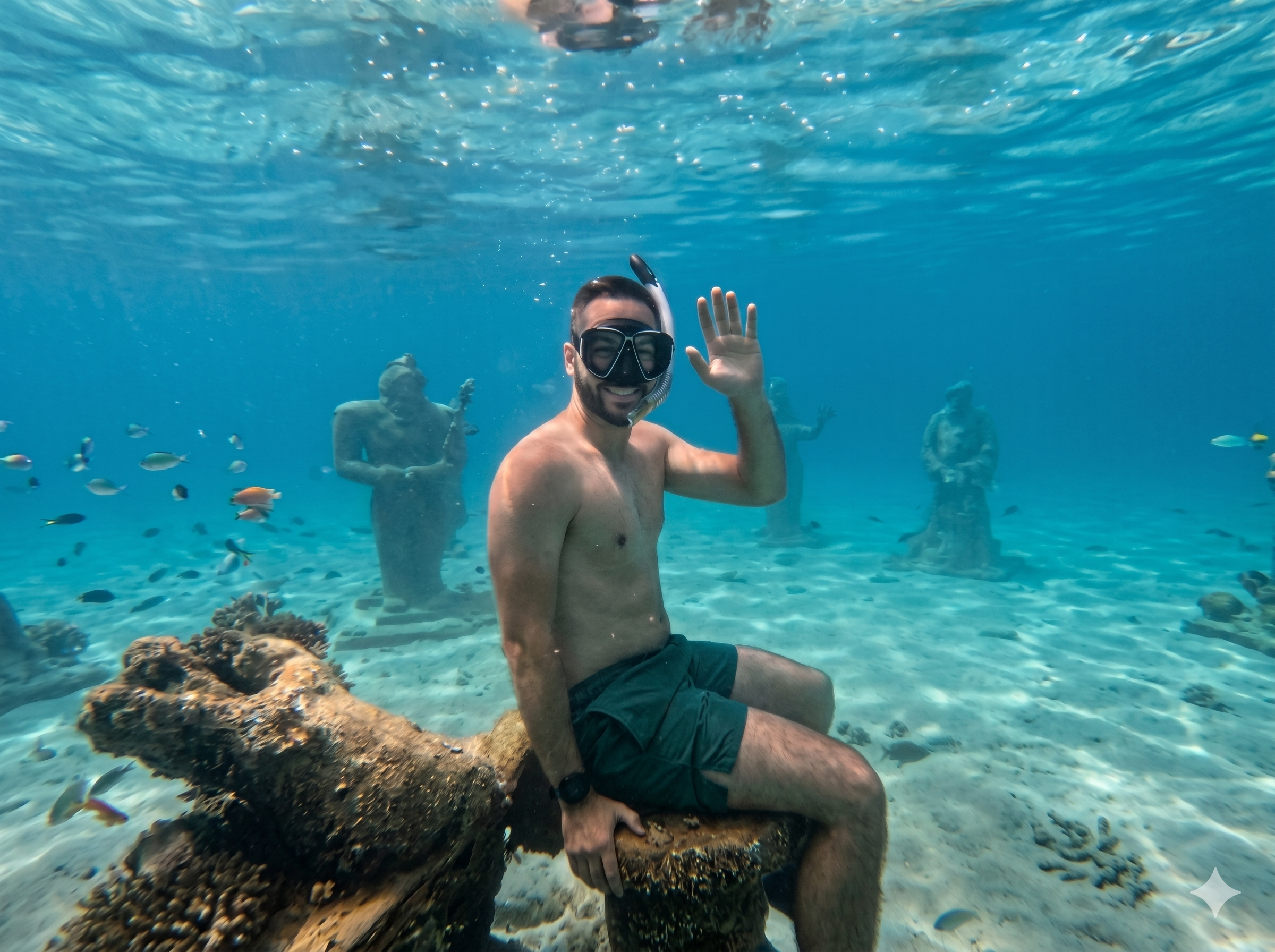
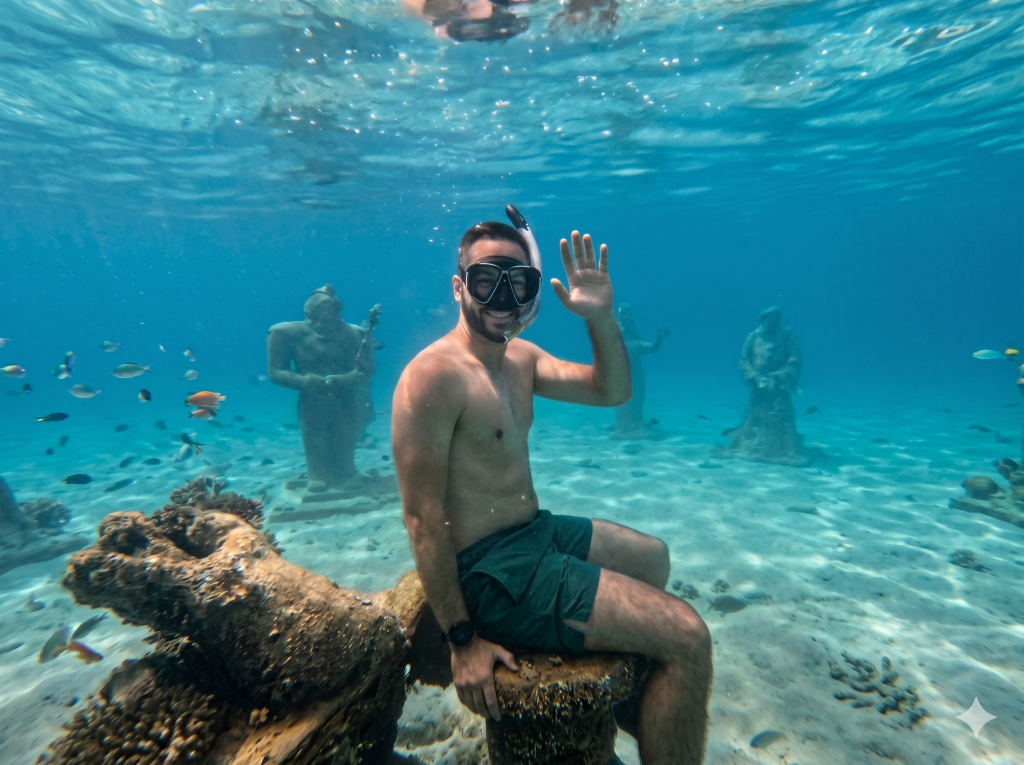
The museum holds over 50 life-sized statues and sculptures, all crafted by hand using ferrocement — an environmentally sensitive technique that creates durable, natural-looking forms that gradually become habitats for Adriatic marine life. Sea grass grows around the bases. Fish circle the figures. The line between art and ecosystem blurs.
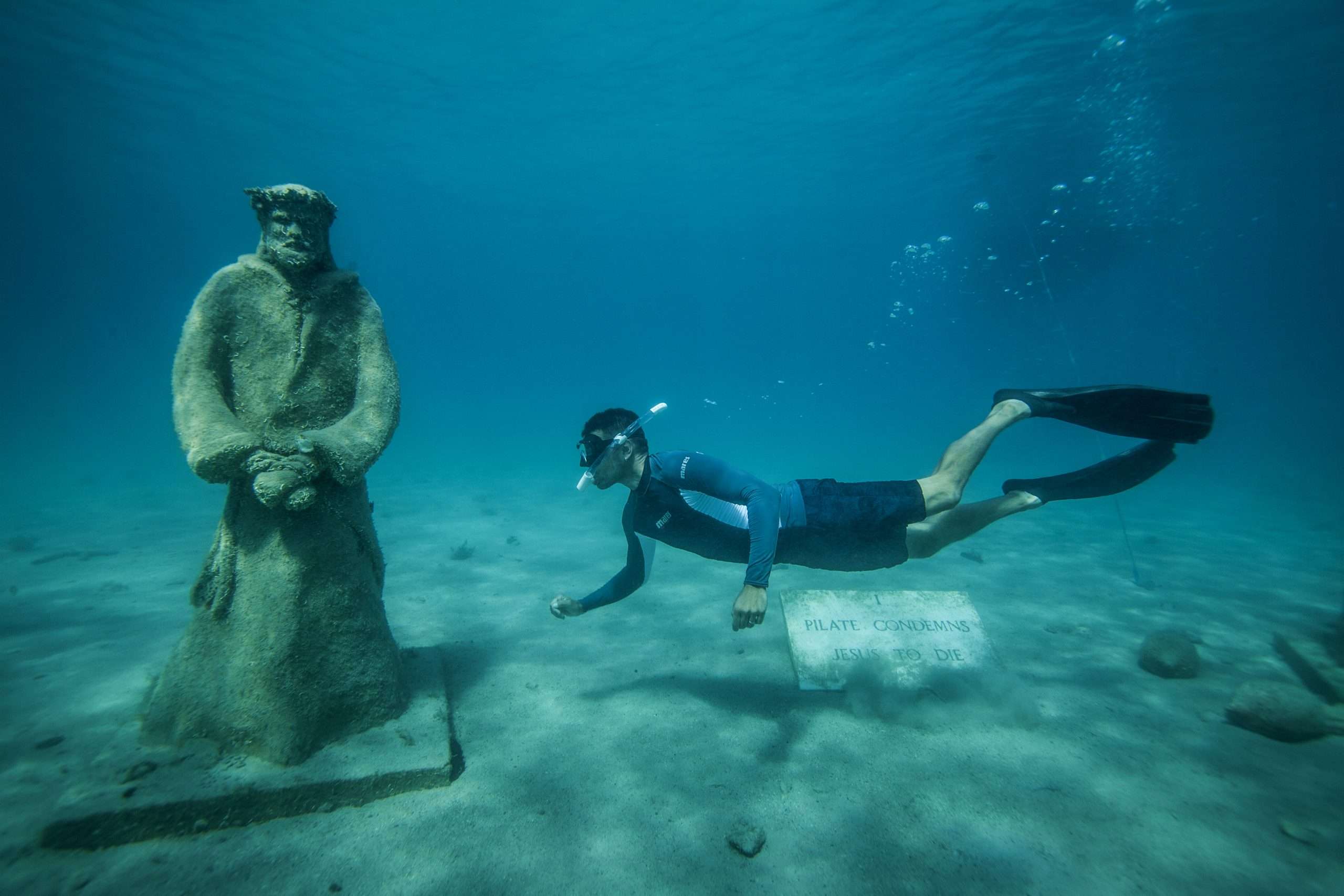
At 4 to 5 metres depth, the entire sculpture collection is fully visible from the surface with a basic snorkel mask. No scuba equipment. No certification. No prior diving experience. If you can swim and hold a snorkel, you can see everything.
The Stations of the Cross — a world first. The museum contains 14 individual Stations of the Cross, each depicting a moment from Christ’s journey, positioned 4 metres below the surface of the Adriatic. This is the only underwater Stations of the Cross in the world. There is no other site like it — anywhere. Each station is hand-sculpted, positioned at intervals along the seabed, and visible with striking clarity in the turquoise water.
The Jesus Christ Statue. At 10 metres depth stands an 8-metre-tall statue of Jesus Christ — the 15th and final Station of the Cross, representing the end of Christ’s journey. Viewed from above, through the clear Adriatic water, with sunlight filtering down around the figure, it is a genuinely overwhelming sight. Divers can approach closely; snorkelers can see the full form from the surface.
The Soko Jastreb J-21 military aircraft. A real Yugoslav military jet — the Soko Jastreb J-21, a single-seat light attack aircraft that entered service in 1968 — has been placed at 10 metres depth beside the sculptures. Originally slated for disposal, the aircraft was decommissioned, environmentally cleaned of all pollutants, fitted with replica machine guns for historical authenticity, and lowered to the seabed. It is one of the most unusual snorkel and dive sites in the Adriatic. The visibility around the aircraft is exceptional.
The Private Beach Resort
After exploring the underwater museum, visitors have access to a private beach resort in the same bay. Sun loungers and umbrellas are included at no extra charge. A beach bar serves drinks, snacks, and meals. An aqua park on the water offers an extra option for families and children.
The bay is reserved exclusively for museum guests — no overcrowded public beaches, no noise, no uninvited day-trippers. Complete privacy in a bay that most people visiting Split will never see.
How to Book Your Visit
The underwater museum is only reachable by boat. Daily tours depart from both Split and Trogir throughout the summer season.
Boat tours from Split:
- Kuzma boat — from €50 per person: a scenic 2-island tour combining adventure, snorkeling at the museum, and relaxation
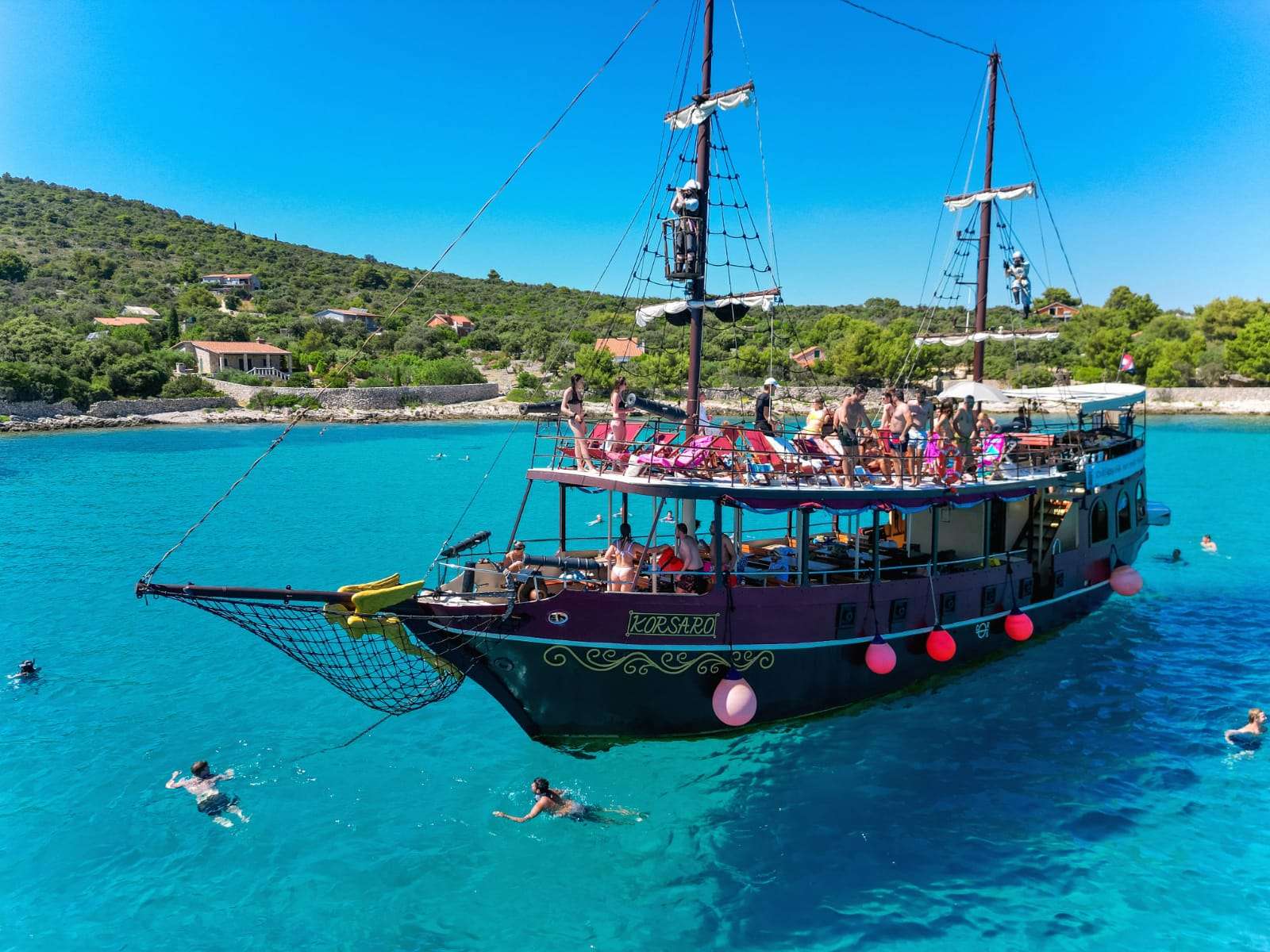
- Korsaro boat — from €65 per person: a glass-bottomed sailing vessel equipped with four viewing panels, touring the Blue Lagoon and the Underwater Museum, with lunch included
Boat tours from Trogir:
- Half-day morning tour: 09:00 – 12:30
- Half-day afternoon tour: 15:30 – 18:30
- The boat ride from Trogir Riva takes approximately 30 minutes
Daily capacity is strictly limited. During July and August, tours regularly sell out days in advance.
Book your tour to Underwater Museum Croatia →
You can also explore all tour options — including private visits and ticket packages — at underwatermuseumcroatia.com.
2. Marjan Hill — The Forest Park Above the City
Most visitors to Split look at Marjan Hill and assume it’s a pleasant walk. It is, but it’s also much more than that.
The forested peninsula that rises on Split’s western edge contains hiking and cycling paths, a series of small Romanesque chapels carved directly into the rock face (some dating to the 11th century), viewpoints overlooking the islands of Brač and Šolta, and the city’s only zoo. On a clear day, the view from the summit takes in the entire Split archipelago.
The hill is almost entirely deserted by midday, when most tourists are at the beach. Early morning or late afternoon, it’s one of the most peaceful places in the city.
3. Sustipan Peninsula — Split’s Forgotten Viewpoint
On the southwestern tip of the city, connected to the mainland by a narrow road most visitors ignore, lies Sustipan. A former Benedictine monastery, then a Napoleonic-era military cemetery, then an abandoned park — today it’s a quiet green promontory with benches, pine trees, and one of the best sunset views in Split.
Almost no one goes there. That’s the point.
4. Meštrović Gallery — Croatia’s Greatest Artist, Quietly Waiting
Ivan Meštrović is widely considered the greatest sculptor Croatia has ever produced — and one of the finest of the 20th century. His gallery, housed in a villa he designed himself on the western side of the city, holds over 190 works and is frankly extraordinary.
The building, the gardens, and the collection are all of museum quality by any international standard. It receives a fraction of the visitors it deserves, which means you’ll often have entire rooms to yourself.
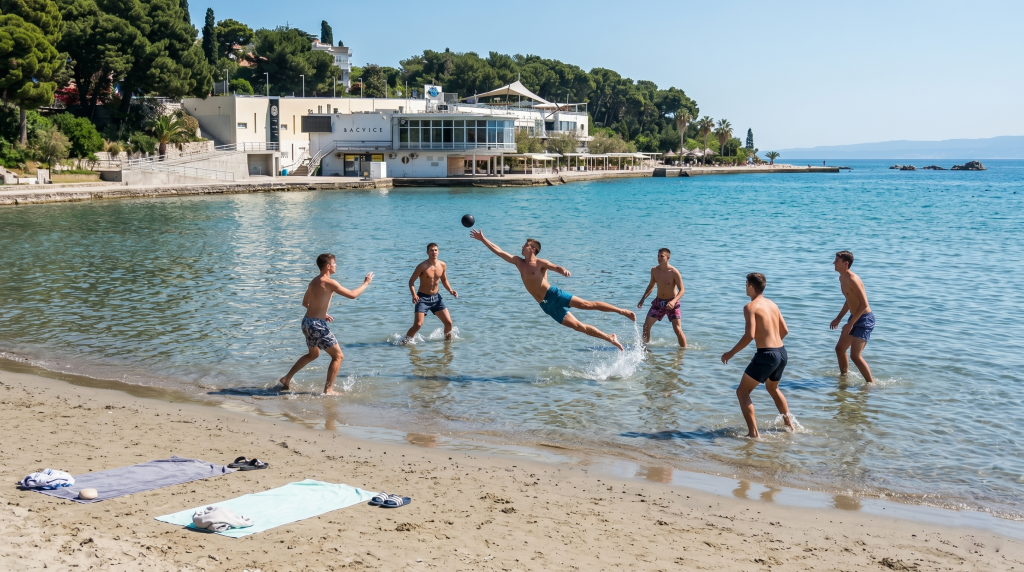
5. Bačvice Beach and Picigin — A Sport Found Nowhere Else
Bačvice is Split’s city beach, a ten-minute walk from the old town. It’s busy, but what most visitors miss is what’s happening in the water: picigin.
Picigin is a traditional ball game played in ankle-deep water, invented in Split in 1908 and played here every day by locals of all ages. The rules are simple — keep the ball in the air, no matter what — but the acrobatics involved are anything but. Watching a group of experienced players is genuinely remarkable. It is played nowhere else in the world in this form and was recognised by UNESCO in 2020 as intangible cultural heritage.
6. Varoš Neighbourhood — Pre-Tourist Split
Directly behind Diocletian’s Palace, climbing up the slopes below Marjan Hill, lies Varoš — Split’s oldest neighbourhood outside the palace walls. Its narrow stone streets, outdoor staircases, and ivy-covered houses predate the tourist economy entirely.
No souvenir shops. No large restaurants. Mostly locals, a handful of small konobas (traditional restaurants), and a streetscape that hasn’t changed fundamentally in centuries. It’s the closest you’ll get to understanding what Split looked like before it became famous.
7. Klis Fortress — Game of Thrones Filming Location, 20 Minutes from the City
Perched on a dramatic ridge above Split, the medieval fortress of Klis has guarded the inland pass to the coast since at least the 2nd century. It served as the seat of Croatian kings, as a bulwark against Ottoman expansion for over a century, and — more recently — as the filming location for Meereen in Game of Thrones (Seasons 4 and 5).
The views from the ramparts are extraordinary — Split, the islands, and the mountains to the north all visible simultaneously. It’s 20 minutes by car from the old town and thoroughly undervisited relative to its historical significance.
Frequently Asked Questions About Things to Do in Split, Croatia
What is the most unique thing to do in Split, Croatia? The most unique experience in the Split area is visiting Underwater Museum Croatia — the only underwater museum in Croatia and home to the world’s only underwater Stations of the Cross. Tours depart daily from Split (from €50) and Trogir. No diving experience is needed; the museum is accessible by snorkeling.
Is there an underwater museum near Split? Yes. Underwater Museum Croatia is located in Jelinak Bay, approximately 30 minutes by boat from Split harbour. It is the only underwater museum in Croatia. The museum contains over 50 life-sized sculptures, a real military aircraft, and the world’s only underwater Stations of the Cross.
Do you need scuba diving experience to visit the underwater museum in Croatia? No. The majority of the sculptures are positioned at 4–5 metres depth and are fully visible with a basic snorkel mask. No scuba certification, special training, or equipment is required. The museum is accessible to adults, children, and anyone who can swim and snorkel.
How far is the Underwater Museum from Split? Approximately 30 minutes by boat from Split harbour. Daily departures operate on the Kuzma boat (from €50) and the Korsaro sailing vessel (from €65, glass-bottomed, with lunch included). Tours also depart from Trogir Riva, which is even closer to the museum.
Can children visit Underwater Museum Croatia? Yes. The museum is designed to be accessible to visitors of all ages and experience levels. Children who can swim and use a snorkel mask can fully participate. The private beach resort in the same bay also includes an aqua park, making the experience suitable for families.
What else is included in the boat tour to the underwater museum? Tour packages include access to the private beach resort in Jelinak Bay, with complimentary sun loungers and umbrellas. A beach bar is available on site. Snorkeling equipment is available for rental. The Korsaro boat tour from Split additionally includes a visit to the Blue Lagoon and lunch.
How do I book a tour to the underwater museum Croatia? You can book directly at underwatermuseumcroatia.com or through GetYourGuide and TripAdvisor Experiences. Advance booking is strongly recommended during peak season (July–August), when daily capacity is regularly reached.
What are the best hidden gems in Split, Croatia? Beyond the famous Diocletian’s Palace and Riva promenade, Split’s most remarkable hidden experiences include: Underwater Museum Croatia (the world’s only underwater Stations of the Cross), Marjan Hill’s forest paths and rock chapels, the Sustipan peninsula viewpoint, the Meštrović Gallery, the picigin ball game at Bačvice beach, the Varoš neighbourhood, and Klis Fortress above the city.
Ready to See Croatia’s Only Underwater Museum?
Of all the hidden gems in Split and the surrounding Dalmatian coast, Underwater Museum Croatia is the one that has no equivalent — not in Croatia, not in Europe, not anywhere.
The world’s only underwater Stations of the Cross. A real military jet on the seabed. 50+ hand-crafted sculptures in one of the clearest bays on the Adriatic coast. A private beach that most visitors to Split will never set foot on.
Daily tours run from both Split and Trogir. Capacity is limited and advance booking is recommended.
View all tour options and book your visit →
Underwater Museum Croatia is located in Jelinak Bay, Dalmatia, Croatia. Group tours depart daily from Split harbour and Trogir Riva. For full tour details, visit underwatermuseumcroatia.com.